Ductile Iron (DI) pipes form the backbone of water transmission and distribution networks across India and the world. These pipes — often 100mm to 1,500mm in diameter — are engineered to last generations. But infrastructure eventually ages out, and when it does, proper disposal becomes a major challenge.
Why DI Pipes Are Difficult to Process
Unlike mild steel, ductile iron has unique metallurgical properties — nodular graphite structure, high tensile strength, and corrosion-resistant linings — that make conventional scrap processing equipment inadequate. Breaking these pipes into manageable pieces requires high-impact force with controlled, repeatable operation.
How Pipe Breaking Machines Work
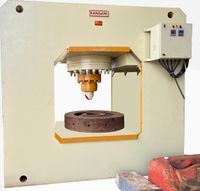
Specialized DI pipe breaking machines use a combination of hydraulic clamping, percussive breaking heads, and ring flaring tools to safely and efficiently break pipes of various diameters. The process separates the pipe body from flanges and fittings, enabling clean material separation for recycling.
Environmental and Economic Drivers
With scrap ductile iron commanding prices comparable to other ferrous scrap grades, pipe breaking has evolved from a disposal cost center to a revenue-generating recycling operation. Municipalities, water utilities, and contractors decommissioning old pipeline networks are increasingly partnering with scrap processing facilities that have the specialized equipment to handle DI pipe safely and efficiently.
Compliance and Safety Considerations
DI pipe breaking involves high-energy impact forces in an industrial environment. Modern machines incorporate safety interlocks, remote operation panels, and containment systems to protect operators from flying debris. Proper equipment selection also ensures compliance with local environmental regulations regarding air quality and noise levels during processing.