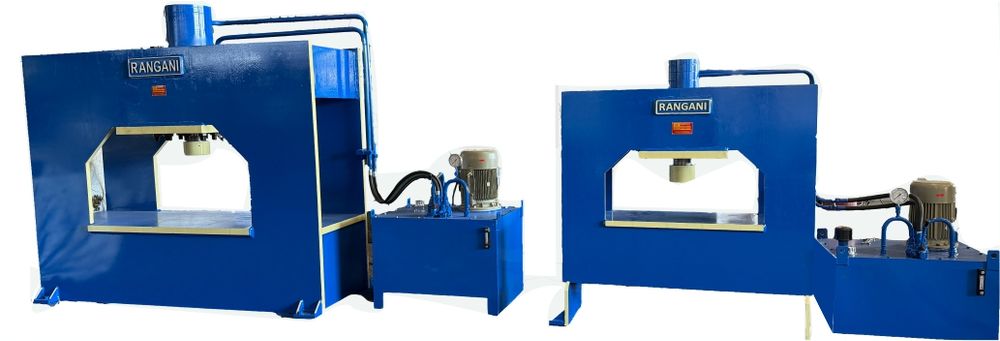
The phrase "custom hydraulic press" often conjures images of expensive, long-lead-time projects. But in reality, most hydraulic press applications benefit from at least some degree of customization — whether it's a modified table size, custom tooling, or a specialized control system. Understanding when customization delivers genuine value is key to making the right equipment decision.
When Standard Equipment Falls Short
Standard hydraulic presses come in fixed tonnage, stroke, and table size configurations. If your application involves oversized workpieces, unusual pressing angles, multi-stage pressing sequences, or integration with existing production lines, a standard machine may require compromises that undermine its value. Custom presses eliminate these compromises.
Common Customization Axes
- Tonnage and force profile: Some applications need peak force at the end of stroke; others need consistent force throughout. Custom cylinder sizing and hydraulic circuit design enable these different profiles.
- Stroke and daylight: Non-standard part geometries require non-standard stroke lengths and daylight openings.
- Bed and ram configurations: V-configured rams, multi-point loading, and shaped platens for formed parts all require custom engineering.
- Control systems: Multi-position dwell, force-position closed-loop control, and press-to-press synchronization are increasingly standard requirements in modern manufacturing.
Lead Time and Cost Reality
Custom hydraulic presses typically require 12-16 weeks from order to delivery, compared to 4-8 weeks for standard configurations. Cost premiums range from 20% to 100% depending on complexity. However, when the alternative is operating a machine that doesn't fit the application — with associated quality problems, higher scrap rates, and slower cycle times — the ROI calculation usually favors customization.
Working with an Indian Manufacturer
Choosing a domestic manufacturer for custom hydraulic presses offers advantages beyond cost. Shorter communication channels, faster spare parts availability, and the ability to visit the factory during design review are tangible benefits. Rangani's SPM division has delivered custom hydraulic presses for applications ranging from 50 tons to 1,500 tons, with bespoke controls for clients in automotive, defense, and heavy engineering sectors.